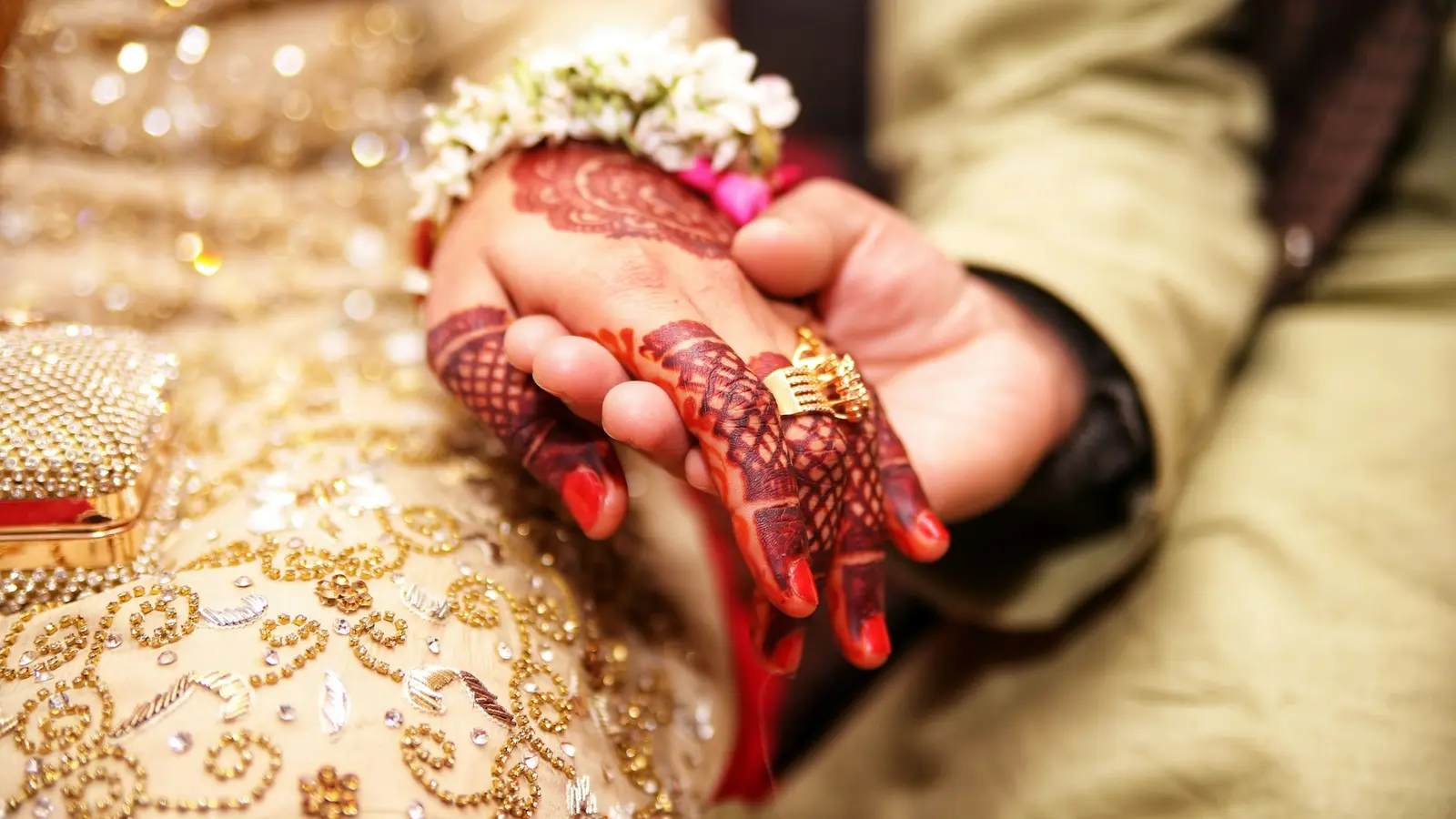
The mahr is one of the most beautiful parts of an Islamic marriage, and one of the most misunderstood. It isn’t a price, and it isn’t a payment to her family. It is a gift from a husband to his wife, and it belongs to her.
﴿وَآتُوا النِّسَاءَ صَدُقَاتِهِنَّ نِحْلَةً﴾
"And give women their mahr as a gift, freely given."
Qur’an 4:4
It belongs to her
The mahr is the wife’s right, and it is hers alone: not her father’s, not her family’s. She can spend it, keep it or invest it as she likes. The same verse goes on to say that if she chooses, of her own free will, to give some of it back, her husband may accept it with a good heart. That is her choice, never something asked of her.
What it can be
The Qur’an sets no fixed amount, and the Sunnah shows how broad the mahr can be. It can be money, gold, a property, or something of value to her. A man once wanted to marry and had nothing at all to give. The Prophet ﷺ told him:
«الْتَمِسْ وَلَوْ خَاتَمًا مِنْ حَدِيدٍ»
"Look for something, even if it is an iron ring."
The Prophet ﷺ, narrated by Sahl ibn Sa’d, Bukhari and Muslim
He couldn’t find even that, so the Prophet ﷺ married him to her for the Qur’an he knew, which he was to teach her (in the same narration).
How much?
Scholars differ on whether there’s a minimum: some schools set a small one and others set none. On the maximum there’s no limit, but the Sunnah leans clearly towards ease. A mahr so large that it delays a good marriage, or leaves a husband in debt, works against the very thing it’s meant to honour. At the same time it should be something real, given with respect, and not a token that makes light of her.
A good mahr is one she is happy with and he can honestly give.
Prompt and deferred
Many couples split the mahr in two:
- Prompt (muqaddam): given at the nikah, or soon after.
- Deferred (mu’akhkhar): owed to her later, at a time you agree, and in any case due if the marriage ends by divorce or death.
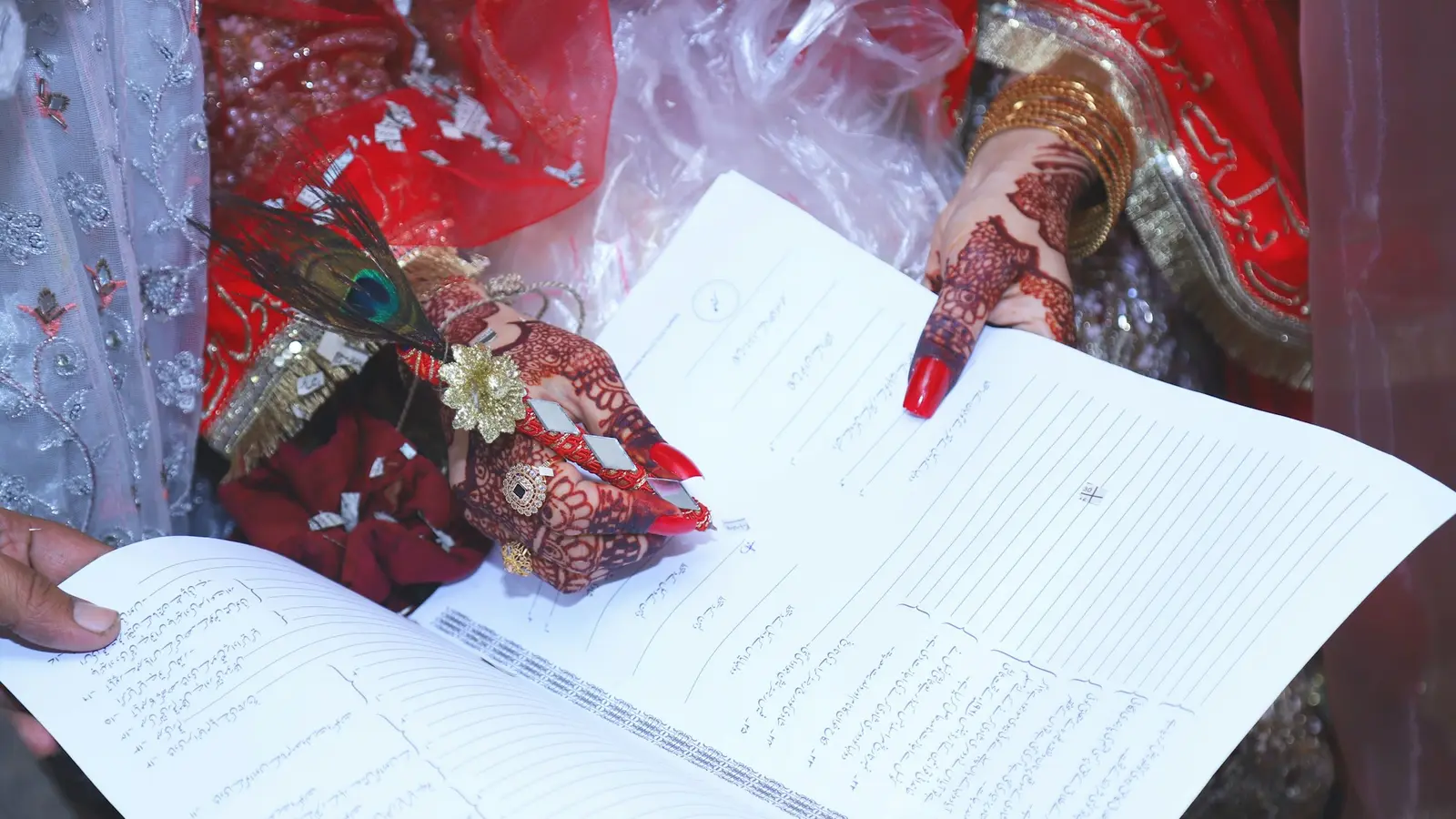
Whatever you agree, say it clearly and write it in the nikah contract. A mahr that was vague at the start causes pain later.
What the mahr is not
In some cultures the bride’s family is expected to give the groom’s family money or goods. That custom isn’t the mahr, and it doesn’t come from the Sunnah. Nor is the mahr the cost of the wedding. It is simply his gift to her.
This article is general guidance written by the Align team, not a fatwa. For your own situation, speak to a scholar or the imam at your local mosque.